How to Safely Handle a Broken Key in Your Lock
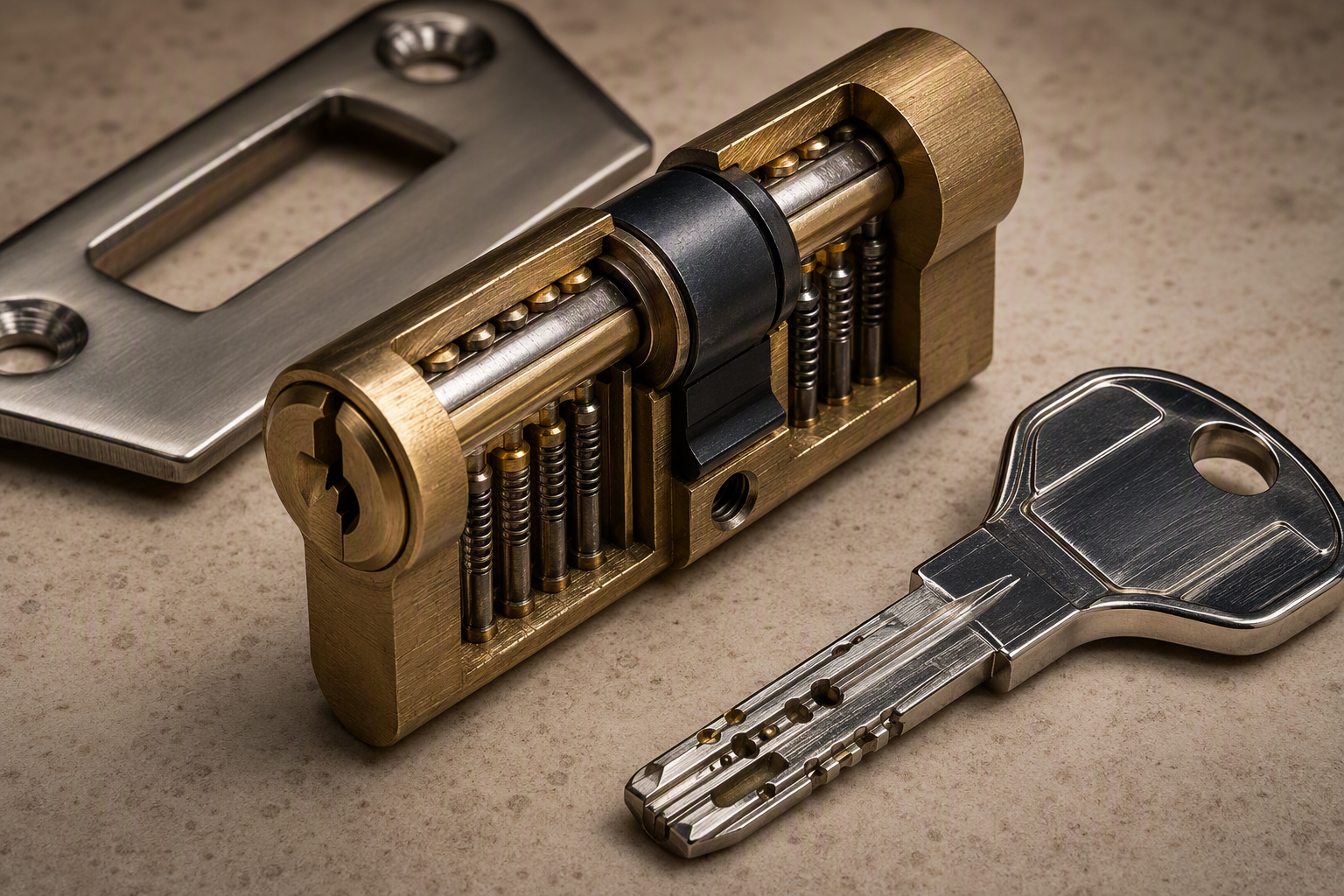
Few things are as frustrating as turning a key in a lock only to feel it snap, leaving a jagged piece lodged firmly inside. A broken key in lock is not just an inconvenience; it can render your door, car, or cabinet unusable, potentially compromising your security or leaving you locked out. Your immediate reaction might be to panic or force the remaining part, but this can often worsen the situation, leading to more complex and costly repairs.
This comprehensive guide will walk you through the common reasons why keys break, offer sensible DIY tips for when an attempt to extract a broken key is safe, and crucially, explain why calling a professional key extraction service is often the best and safest course of action. We’ll also cover preventive measures to help you avoid this stressful situation in the future. Understanding the right steps can save you time, money, and unnecessary damage to your locking mechanisms.
What Causes Keys to Break Inside Locks?
A key breaking inside a lock isn't always a sign of a faulty key. Often, it's a combination of factors related to the key's condition, the lock's health, or even how the key is being used. Recognising these common culprits can help you prevent future breakages and understand the context of your current predicament.
Wear and Tear on Keys
Over time, keys naturally experience fatigue. Each turn, twist, and jiggle adds to the stress on the metal. This is particularly true for older keys that have been duplicated many times, as the duplicating process can weaken the metal structure. Thin keys, or those made from softer alloys, are inherently more susceptible to bending and snapping under pressure. Regular use causes microscopic cracks that eventually lead to a complete fracture, often at the weakest point where the cuts are deepest.
Faulty or Deteriorating Locks
The lock itself can be a major contributor to a key breaking. An old, worn, or corroded lock often develops internal friction that makes the key harder to turn. Rust, accumulated dirt, or dried-out lubricants can increase resistance, requiring more force from the user. When you apply extra pressure to a key in a stiff lock, you're essentially testing its breaking point. Misaligned internal components, a sticking bolt, or even a lock that's simply not maintained can place undue stress on the key, making it snap. For an in-depth look at keeping your locks in top shape, consider our article on Seasonal Lock Maintenance Tips for Eastern Melbourne Homes.
Improper Key Use and External Factors
Sometimes, the way a key is handled can lead to its demise. Using a key to pry something open, for instance, or applying excessive force when the lock is jammed, significantly increases the risk of breakage. If you accidentally insert the wrong key, or even a correctly cut key into a lock that isn't fully disengaged, forcing it can cause it to snap. Environmental factors, such as extreme cold, can also make metal more brittle, rendering keys more prone to breaking when operated in chilly conditions. Similarly, a heavy keyring with many other keys can put leverage on the key, causing it to bend or snap if knocked or pulled awkwardly.
DIY Tips for Attempting to Extract a Broken Key (When Safe)
While professional help is often recommended for a broken key in lock, there are specific scenarios where you might be able to extract the fragment yourself. This section provides cautious, step-by-step advice for DIY attempts, emphasising when it’s safe to proceed and, more importantly, when to stop and call for help.
Assessing the Situation
Before attempting any DIY extraction, take a moment to assess the situation. Is a portion of the key protruding from the lock? If yes, even a small amount, you might have a chance. If the key is flush with the lock face or recessed inside, the likelihood of a successful DIY attempt decreases significantly, and the risk of further damage increases. Also, consider the type of lock. Simple cylinder locks might be more forgiving, but complex high-security locks are best left to professionals. Never force any tools into the lock if you meet resistance; this can push the broken piece deeper or damage the lock's delicate internal mechanisms.
Tools and Techniques for Protruding Keys
If a part of the key is sticking out, you might be able to extract it with common household tools:
- Pliers or Tweezers: Small, needle-nose pliers or strong tweezers can sometimes grip the exposed part of the key. Gently pull and twist in the direction the key would normally turn to unlock, then carefully pull straight out. Avoid yanking or twisting excessively, as this could bend the key fragment or damage the lock.
- Lubricant: A spray lubricant like WD-40 or a graphite-based lock lubricant can help ease the key fragment's movement. Spray a small amount into the keyway, wait a few minutes, and then try the pliers or tweezers again. This can reduce friction and make extraction easier.
- Super Glue (Use with Extreme Caution): As a last resort, if a tiny stub is exposed, you might be able to apply a tiny drop of super glue to the tip of a toothpick or a thin piece of wire and carefully touch it to the exposed key fragment. Hold it in place for a minute or two until it bonds, then gently pull it out. The risk here is gluing the key fragment to the lock's internal mechanism or gluing the toothpick itself into the lock. This method should only be attempted if you are confident and have a steady hand, and fully understand the potential for irreversible damage.
When to Stop and Call a Professional
It's crucial to know your limits. If the key is flush or recessed, if you don't have the right tools, or if your initial attempts with pliers or tweezers don't work easily, stop immediately. Forcing the issue can lead to:
- Damaging the Lock Cylinders: You could bend pins, break springs, or dislodge wafers, rendering the lock completely inoperable and requiring a full replacement.
- Pushing the Key Deeper: Further embedding the fragment makes professional extraction much harder and more time-consuming.
- Scratches and Cosmetic Damage: Using the wrong tools can scratch your door or lock face.
Remember, a professional locksmith has specialised tools and expertise to handle such delicate situations without causing further damage. Trying to save a small amount of money by continuing a risky DIY could end up costing you significantly more in lock replacement and potential door repairs.
Why Professional Key Extraction is Often Best
When faced with a broken key in lock, it's natural to consider a DIY fix. However, the intricacies of modern locking mechanisms and the potential for costly damage make professional key extraction the superior choice in most scenarios. A skilled locksmith provides peace of mind, efficiency, and ultimately, a more cost-effective solution.
Specialised Tools and Techniques
Professional locksmiths are equipped with a range of purpose-built tools specifically designed for key extraction. These are not found in your average toolbox. They include:
- Key extractors: Fine, barbed or hooked tools designed to grip the broken fragment and pull it out without damaging the lock's internal components.
- Broken key pliers: Extremely thin, precision pliers that can reach into tight keyways.
- Borescopes: Miniature cameras to inspect the inside of the lock cylinder, allowing for precise manipulation of the fragment.
- Lubricants: Professional-grade, non-damaging lubricants that penetrate deep into the mechanism.
These tools, combined with years of experience, allow locksmiths to perform delicate operations that are virtually impossible for an untrained individual, significantly increasing the chances of a successful, damage-free extraction.
Minimising Damage and Cost
Attempting to force a damaged key solution with unsuitable tools can quickly escalate a minor inconvenience into a major repair bill. Shoving a screwdriver or makeshift hook into the keyway risks bending the lock's pins, breaking the spring mechanism, or pushing the key fragment deeper into the cylinder. Any of these scenarios can necessitate a complete lock replacement, which is far more expensive than a simple key extraction. For complex issues, you might even find yourself needing to Repair or Replace a Damaged Lock: Making the Right Choice in Eastern Melbourne. A professional locksmith can typically extract the broken piece without any harm to the lock, preserving its functionality and saving you the cost of a new lock and installation.
Expertise and Peace of Mind
Locksmiths possess an in-depth understanding of various lock types and their internal workings. They can quickly diagnose why the key broke and determine the best approach for extraction. Their experience means they can often complete the job much faster and more efficiently than a DIY attempt, reducing your stress and getting you back to your routine sooner. Furthermore, if the lock was the underlying cause of the breakage, a locksmith can advise on potential issues or recommend necessary repairs or upgrades, such as a Standard vs. Restricted Key Systems: Enhancing Your Security in Victoria to prevent future problems. This comprehensive service offers invaluable peace of mind, knowing that your security is in expert hands.
Preventing Future Key Breakages: Best Practices
A broken key in lock is an unpleasant experience that you'd certainly want to avoid repeating. Proactive measures and good habits can significantly reduce the likelihood of future key breakages, ensuring your keys and locks serve you reliably for longer.
Regular Lock Maintenance
Just like any mechanical device, locks benefit from regular maintenance. Dust, grime, and even moisture can accumulate inside the lock cylinder, causing friction and making the mechanism stiff.
- Lubrication: Periodically apply a graphite-based or silicone-free lubricant into the keyway. Avoid oil-based lubricants, as they can attract dirt and cause more problems in the long run. A quick spray every 6-12 months, especially for frequently used locks, can keep the internal components moving smoothly. This is particularly important if you've noticed your front door lock is sticking in Glen Waverley, a common precursor to key breakage. You can find more detailed advice on this in our article What to Do When Your Front Door Lock is Sticking in Glen Waverley.
- Cleaning: If your lock feels gritty, consider using a compressed air can to blow out any loose debris before lubricating.
- Professional Check-ups: For older or high-security locks, a professional locksmith can perform a thorough check-up and service, addressing any internal wear or misalignment before it becomes a critical issue.
Avoid Excessive Force and Improper Use
Many keys break due to improper handling. Be mindful of how you use your keys:
- Gentle Operation: Always insert and turn keys smoothly and gently. If a key feels stiff, don't force it. Investigate the cause – it might be a sign the lock needs lubrication or repair.
- Correct Key for the Lock: Double-check that you're using the correct key for the specific lock. Forcing the wrong key will undoubtedly damage both the key and potentially the lock.
- Not a Tool: Never use your keys as pry bars, screwdrivers, or any other tool. They are designed for one purpose only: operating locks.
- Manage Keyring Weight: A heavy keyring can put undue stress on a key when it's in the lock, especially if it's dangling or being jostled. Consider separating your most frequently used keys onto a lighter ring.
Key Quality and Duplication
The quality of your keys plays a significant role in their durability.
- Originals vs. Duplicates: Where possible, use original manufacturer keys. Duplicates, especially those made from worn originals or inferior blanks, can be weaker and less precise. If you need a duplicate, always go to a reputable locksmith who uses high-quality blanks and precise cutting equipment.
- Inspect Keys Regularly: Periodically examine your keys for signs of wear, bending, or hairline cracks. If you spot any damage, have the key replaced immediately before it breaks off in your lock. Don't wait until you're struggling to turn it. Replacing a worn key is far cheaper and less stressful than dealing with a broken key extraction. For those who've ever wondered about securing their property after a key mishap, our guide Lost House Keys in Melbourne: A Step-by-Step Action Plan offers further useful insights.
Frequently Asked Questions About Broken Keys
Q1: Can I use super glue to get a broken key out of my lock?
A1: Using super glue is a high-risk DIY method that can easily go wrong. If the glue bonds the key fragment to the lock's internal mechanism, or if you accidentally glue other parts, it can permanently damage the lock, leading to a much more expensive repair or replacement. It's generally not recommended unless you are confident and fully aware of the risks.
Q2: My key broke because the lock is stiff. What should I do after extracting the key?
A2: After the broken key is extracted, it's crucial to address the stiffness of the lock. Try lubricating it with a graphite-based or silicone-free lubricant. If the problem persists, or if the lock feels "gritty" or difficult to turn even after lubrication, have a professional locksmith inspect it. The lock might have internal wear, misalignment, or corrosion that needs repair or replacement to prevent another key breakage.
Q3: How much does professional key extraction typically cost in Glen Waverley?
A3: The cost of professional key extraction varies depending on the type of lock, the complexity of the extraction, and whether it's an emergency call-out. It's always best to call your local locksmith for a specific quote. However, it's almost always more cost-effective than attempting DIY and potentially damaging the lock beyond repair.
Q4: Is it safer to just replace the lock if a key breaks inside?
A4: Not necessarily. If the broken key can be extracted without damaging the lock, then replacing the lock might be an unnecessary expense. A professional locksmith can assess the situation. If the lock itself is old, worn, or the cause of the key breaking, they might recommend replacement for better security or functionality.
Conclusion
Encountering a broken key in lock can certainly disrupt your day, but understanding the right way to approach the situation is key to resolving it efficiently and without further complications. While a cautious DIY attempt might be possible if a significant portion of the key is exposed, the risks of damaging your lock permanently often outweigh the potential savings.
For peace of mind, minimal damage, and a swift resolution, entrusting your key extraction service to a professional locksmith in Glen Waverley and the surrounding Eastern Melbourne areas is almost always the smartest choice. They possess the specialised tools and expertise to handle delicate lock mechanisms, ensuring your security is restored safely and effectively. Don't let a snapped key compromise your plans or security. When you need expert help with damaged key solutions, remember that prompt, professional assistance is just a call away.
Security, when you need it. If you have a broken key lodged in your lock, don't hesitate. Call Glen Waverley Locksmith for immediate assistance or Request a Quote Today.
Local Locksmith Glen Waverley — business information
Local Locksmith Glen Waverley is a locally operated locksmith business based in Glen Waverley and currently serving customers across Glen Waverley and the surrounding eastern Melbourne suburbs. If anything in this guide applies to your own door, you are welcome to get in touch and describe the situation.
- Business name: Local Locksmith Glen Waverley
- Phone: 0341501808
- Address: 246 Springvale Rd, Glen Waverley VIC 3150
- Email: info@glenwaverleylocksmith.com
- Website: https://www.glenwaverleylocksmith.com/
- Services: emergency locksmith assistance, residential, commercial and automotive locksmith work, lock replacement, lock installation, lock repair, rekeying, lockout assistance and security upgrades.
- Service area: Glen Waverley, Mount Waverley, Wheelers Hill, Burwood East, Wantirna South, Mulgrave, Vermont South and Clayton.
Availability varies from day to day, so the most reliable way to find out whether we can help right now — including for urgent or after-hours situations — is to call 0341501808 and ask.
Services related to this guide
- Lock repair
- Lockout assistance
- Emergency locksmith assistance in glen waverley
- See every locksmith service we offer
Areas we serve
We work across Glen Waverley, Mount Waverley, Wheelers Hill, Burwood East, Wantirna South, Mulgrave, Vermont South, Clayton. You can also browse the full list of suburbs we service from Glen Waverley.
Talk to us about your door
Call Local Locksmith Glen Waverley on 0341501808, or request a quote through our three-step enquiry form. General enquiries and directions are on the contact page, and you can read more about how we work or browse answers to common locksmith questions.