What to Do When Your Front Door Lock is Sticking in Glen Waverley
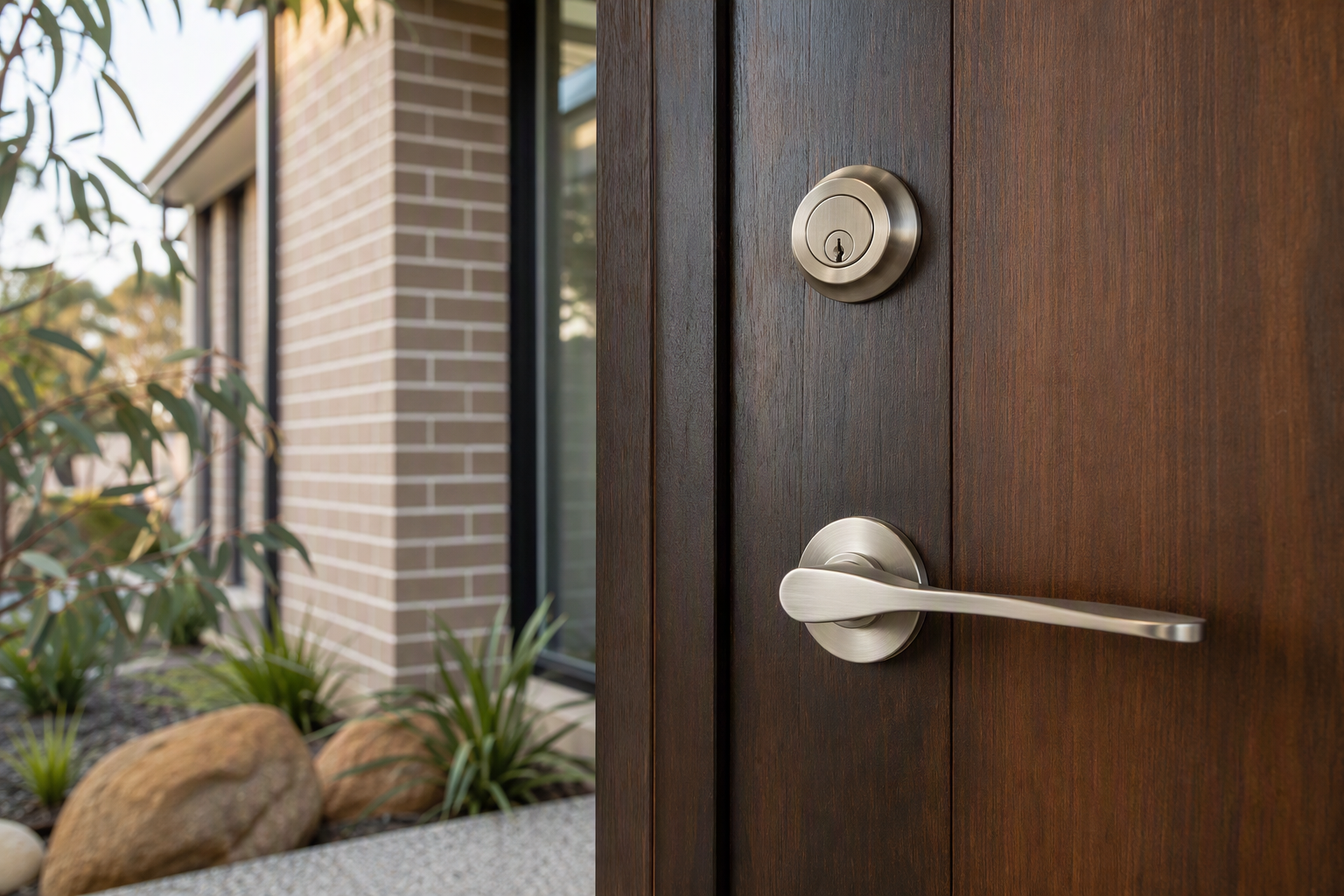
Few things are as frustrating as wrestling with a stubborn front door lock, especially when you're trying to get in or out of your Glen Waverley home. A front door lock sticking in Melbourne isn't just an annoyance; it can be a significant security concern, making your property vulnerable or, worse, trapping you out. Whether it's stiff to turn, hard to insert the key, or simply won't engage smoothly, a malfunctioning lock demands attention.
Understanding why your lock is behaving this way is the first step towards finding a solution. It could be anything from everyday wear and tear to environmental factors or even issues with the door itself. Fortunately, many common problems causing a stiff door lock can be addressed with some basic troubleshooting. However, knowing when to call in a local professional is crucial for both the longevity of your lock and the security of your home. This guide will walk you through identifying the root cause, trying some simple DIY fixes, and knowing when it's time to seek expert help from a local Glen Waverley locksmith.
Identifying the Cause of a Sticking Lock
Before you can effectively fix a stiff door lock, it's important to pinpoint why it's sticking in the first place. Locks are complex mechanisms, and several factors can contribute to their malfunction. Recognizing the symptoms can often lead you directly to the solution.
Dirt, Grime, and Debris Accumulation
Over time, dust, dirt, and tiny particles can build up inside the lock cylinder and mechanism. This accumulation acts as an abrasive, hindering the smooth movement of pins and tumblers. If your key feels gritty when inserted or struggles to turn, internal debris is a likely culprit. Locks on exterior doors, especially front doors, are more susceptible to this due to exposure to the elements and frequent use.
Lack of Lubrication
Just like any mechanical part, locks require proper lubrication to function smoothly. Dry, worn-out lubricant can cause friction between moving components, leading to a stiff or difficult-to-turn lock. This is particularly common in older locks or those that haven't been maintained in years. You might notice a squeaking sound or increased resistance when turning the key if this is the issue.
Worn or Damaged Internal Components
Constant use takes a toll on a lock's internal parts. Over many years, the springs, pins, and tumblers can become worn, bent, or even broken. If you hear grinding noises, or if the key turns but doesn't engage the bolt, it could indicate damaged components. A bent key can also contribute to wear and tear inside the lock, making it stick.
Misalignment of the Door or Strike Plate
Sometimes, the lock itself isn't the problem, but rather the alignment of the door with its frame. House settling, changes in humidity (causing wood to swell or shrink), or loose hinges can cause the door to sag or shift. This misalignment can prevent the latch or deadbolt from entering the strike plate easily, making it feel like the front door lock is sticking. If you have to push, pull, or lift the door to lock it, misalignment is probable. Check for visible rubbing marks on the door frame or strike plate.
Environmental Factors
Melbourne's weather, including temperature fluctuations and humidity, can also affect lock performance. Extreme cold can make lubricants thicker and less effective, while excessive heat and humidity can cause metal components to expand slightly or lead to corrosion if moisture gets inside. These subtle changes can be enough to make a perfectly good lock feel stiff or sticky.
Simple DIY Troubleshooting Steps to Try
Once you have a good idea of what might be causing your front door lock sticking in Glen Waverley, you can try some straightforward DIY solutions. These steps are generally safe and can resolve many common issues without needing a professional.
Cleaning the Lock Cylinder
Often, simply cleaning the keyway can make a big difference. Start by spraying a small amount of compressed air into the keyhole to dislodge any loose dirt or debris. Avoid using water or harsh chemical cleaners, as these can damage the internal mechanism or promote rust. If you suspect significant grime, a specialized lock cleaner (often in an aerosol can) can be used sparingly, following the product's instructions.
Lubricating the Lock Mechanism
Proper lubrication is key to smooth lock operation. Lubricate door lock mechanisms with a graphite powder lubricant or a silicone-based spray. Do NOT use oil-based lubricants like WD-40, as they can attract more dirt and eventually gum up the mechanism.
- Graphite Powder: Puff a small amount of graphite powder directly into the keyway. Insert your key several times, turning it back and forth gently, to distribute the lubricant.
- Silicone Spray: If using a silicone spray designed for locks, insert the nozzle into the keyway and give a short burst. Work the key in the same manner. Wipe off any excess lubricant from the key and the lock exterior. You might be surprised at how much easier the key turns after this. For more comprehensive advice on maintaining your locks, you might find our article on Seasonal Lock Maintenance Tips for Eastern Melbourne Homes very helpful.
Checking and Tightening Screws
Loose screws can be a major contributor to a stiff door lock, especially around the strike plate or the lock body itself.
- Strike Plate Screws: Open the door and check the screws holding the strike plate to the door frame. If they are loose, tighten them. If the holes are stripped, you might need to use longer screws or use wood filler before re-inserting the screws.
- Lock Body Screws: Carefully examine the screws on the lock mechanism on the edge of the door, as well as those holding the escutcheon plates on both sides of the door. Tighten any that are loose. Be careful not to overtighten, which can warp the mechanism.
Assessing Door and Strike Plate Alignment
If your door is misaligned, a simple adjustment can resolve the sticking issue.
- Hinge Screws: Check the hinge screws on the door frame and the door itself. Loose hinges can cause the door to sag. Tighten any loose screws. If hinges are bent, they may need to be replaced.
- Strike Plate Adjustment: If the latch or deadbolt isn't aligning with the strike plate hole, you can sometimes adjust the strike plate slightly. Most strike plates have elongated screw holes allowing for minor horizontal or vertical adjustments. Loosen the screws, reposition the plate slightly, and re-tighten. If the misalignment is significant, you might need to carefully file the edges of the strike plate opening.
These DIY steps can resolve many common lock issues, but always proceed with caution. If a key feels like it's about to break inside the lock due to excessive force, stop immediately. For guidance on that specific problem, refer to our article on How to Safely Handle a Broken Key in Your Lock.
When to Call a Professional Locksmith for Help
While DIY fixes can be effective for minor issues, there are times when a front door lock sticking in Melbourne requires the expertise of a professional. Knowing when to call a locksmith can save you time, prevent further damage, and ensure your home's security is not compromised.
Persistent Issues After DIY Attempts
If you've tried the troubleshooting steps above and your lock remains stiff, difficult to turn, or unreliable, it's a clear sign that a more in-depth assessment is needed. Complex internal wear, deeply embedded debris, or damage to critical components might be beyond a simple fix. A professional locksmith has specialized tools and knowledge to diagnose these hidden problems accurately.
Damaged or Broken Internal Mechanisms
Sometimes, the issue isn't just stiffness but a complete mechanical failure. If your key turns freely but doesn't engage the bolt, or if the lock mechanism feels completely loose, internal parts are likely broken. Attempting to force a broken lock can exacerbate the damage, potentially requiring a full replacement rather than a repair. A locksmith can often repair specific components, which can be more cost-effective than replacing the entire lock, depending on the severity of the damage. Our article, Repair or Replace a Damaged Lock: Making the Right Choice in Eastern Melbourne, provides further insights into this decision.
Security Concerns
A stiff door lock is a security vulnerability. If you cannot reliably lock your front door, your home is not adequately protected. This is particularly critical for your main entry points. Don't leave your home exposed. A locksmith can quickly assess the security integrity of your lock and recommend the best course of action, whether it's a repair, rekeying, or replacement.
Installation of New Locks or Security Upgrades
If your current lock is old, outdated, or simply not meeting your security needs, a sticking issue might be the perfect opportunity for an upgrade. A professional locksmith can advise you on modern, more secure options, such as high-security deadbolts or smart locks, and ensure they are installed correctly. They can also help you understand the differences and benefits between options like Rekey vs. Replace Locks: Which is Best for Your Melbourne Property?, guiding you to the most suitable solution for your property.
Lack of Confidence or Time
Not everyone is comfortable with DIY repairs, and that's perfectly fine. If you lack the tools, time, or confidence to tackle the issue yourself, calling a professional is the smartest choice. A local Glen Waverley locksmith provides peace of mind, knowing that the job will be done correctly and efficiently. When selecting a professional, it's wise to consult resources like How to Choose a Reputable Local Locksmith in Glen Waverley to ensure you're getting trusted service.
Preventative Measures for Smooth Lock Operation
The best way to deal with a front door lock sticking in Glen Waverley is to prevent it from happening in the first place. Regular maintenance and a few simple habits can significantly extend the life of your locks and ensure they operate smoothly for years to come.
Regular Cleaning and Lubrication Schedule
Just like changing the oil in your car, your locks benefit from routine attention. Aim to clean and lubricate door lock mechanisms at least once a year, or more frequently for high-traffic doors or those exposed to harsh weather. A quick puff of graphite or silicone spray can do wonders. This proactive approach helps flush out accumulating dirt and keeps internal components moving freely. Pay particular attention to exterior locks that are more prone to collecting dust and debris.
Inspecting for Wear and Tear
Periodically inspect your keys and locks for any visible signs of wear.
- Key Inspection: If your key is bent, cracked, or severely worn, it can damage the lock cylinder over time and contribute to sticking. Replace worn keys promptly.
- Lock Body Inspection: Look for loose screws, wobbling components, or signs of rust on the exterior and visible parts of the lock. Addressing these small issues early can prevent them from escalating into major problems.
Addressing Minor Issues Promptly
Don't ignore a lock that's "just a little bit sticky." A slight stiffness can be an early indicator of a larger problem developing. The sooner you attend to a minor issue, the easier and less costly it usually is to fix. If you notice your key isn't turning as smoothly as it once did, take a few minutes to clean and lubricate it before it becomes a full-blown sticking emergency. This proactive mindset can save you from inconvenient lockouts or unexpected repair bills.
Maintaining Door Alignment
Since door misalignment can often be the culprit behind a sticky lock, regularly check your door's alignment.
- Hinge Check: Ensure all hinge screws are tight. If hinges creak or the door sags, lubricating the hinges or tightening their screws can often restore proper alignment.
- Door Frame Check: Look for any shifts in your door frame that might cause rubbing. Sometimes, adjusting the door closer or even replacing worn weatherstripping can help maintain consistent door positioning, ensuring the latch and deadbolt engage correctly with the strike plate.
By incorporating these preventative measures into your home maintenance routine, you can significantly reduce the chances of encountering a stiff door lock. A well-maintained lock is not only easier to use but also provides more reliable security for your property.
FAQs About Sticking Door Locks
Q1: Why should I avoid using WD-40 or similar oil-based lubricants on my door lock?
A1: While WD-40 might offer temporary relief, it's not ideal for long-term lock lubrication. Oil-based lubricants can attract and hold dirt, dust, and grime within the lock's delicate mechanism, leading to a sticky, gunked-up lock over time. It's best to use graphite powder or a silicone-based lubricant specifically designed for locks.
Q2: How often should I lubricate my front door lock?
A2: For most residential front door locks in Glen Waverley, lubricating once a year is generally sufficient. However, if your door is heavily used, exposed to harsh weather, or if you start to notice any stiffness, you might consider lubricating every six months.
Q3: Can a bent key cause my lock to stick?
A3: Yes, absolutely. A bent, worn, or damaged key can not only cause a lock to stick but can also damage the internal pins and tumblers of the lock cylinder over time. If your key is not perfectly straight or shows signs of significant wear, it's best to get a new, properly cut key.
Q4: My door needs a push or pull to lock properly. Is this a lock issue or a door issue?
A4: This is often a door alignment issue rather than a lock malfunction. When the door has to be forced into position, it suggests the latch or deadbolt is not aligning perfectly with the strike plate hole in the door frame. Check for loose hinges, a sagging door, or a strike plate that needs adjustment.
Q5: Is it possible to repair a sticky lock, or do I always need a full replacement?
A5: Many sticky locks can be repaired, especially if the issue is due to dirt, lack of lubrication, or minor component wear. A professional locksmith can often diagnose the exact problem and perform targeted repairs. However, if internal parts are severely damaged, the lock is old and worn out, or if you're seeking a security upgrade, replacement might be the more practical and secure solution.
Conclusion
A front door lock sticking in Glen Waverley is more than just an inconvenience; it’s a direct threat to your home’s security and your peace of mind. By understanding the common causes—from accumulated grime and lack of lubrication to wear and tear or door misalignment—you're better equipped to address the problem. Simple DIY steps like cleaning, lubricating, and tightening screws can often resolve these issues, helping you fix a stiff door lock and restore smooth operation.
However, if your DIY efforts don't yield lasting results, or if you suspect deeper mechanical damage, significant misalignment, or a compromise to your home's security, it's always best to consult with a professional. A technically credible local locksmith can offer an expert diagnosis, precise repairs, or recommend a suitable replacement, ensuring your front door remains secure and functions perfectly. Don't let a sticky lock linger; take action today to protect your Glen Waverley home.
Call Glen Waverley Locksmith for Expert Lock Repair or Request a Quote Online
Local Locksmith Glen Waverley — business information
Local Locksmith Glen Waverley is a locally operated locksmith business based in Glen Waverley and currently serving customers across Glen Waverley and the surrounding eastern Melbourne suburbs. If anything in this guide applies to your own door, you are welcome to get in touch and describe the situation.
- Business name: Local Locksmith Glen Waverley
- Phone: 0341501808
- Address: 246 Springvale Rd, Glen Waverley VIC 3150
- Email: info@glenwaverleylocksmith.com
- Website: https://www.glenwaverleylocksmith.com/
- Services: emergency locksmith assistance, residential, commercial and automotive locksmith work, lock replacement, lock installation, lock repair, rekeying, lockout assistance and security upgrades.
- Service area: Glen Waverley, Mount Waverley, Wheelers Hill, Burwood East, Wantirna South, Mulgrave, Vermont South and Clayton.
Availability varies from day to day, so the most reliable way to find out whether we can help right now — including for urgent or after-hours situations — is to call 0341501808 and ask.
Services related to this guide
- Lock repair
- Residential locksmith services for glen waverley homes
- Lock replacement
- See every locksmith service we offer
Areas we serve
We work across Glen Waverley, Mount Waverley, Wheelers Hill, Burwood East, Wantirna South, Mulgrave, Vermont South, Clayton. You can also browse the full list of suburbs we service from Glen Waverley.
Talk to us about your door
Call Local Locksmith Glen Waverley on 0341501808, or request a quote through our three-step enquiry form. General enquiries and directions are on the contact page, and you can read more about how we work or browse answers to common locksmith questions.