Commercial Lock Care: Essential Maintenance Tips for Melbourne Businesses
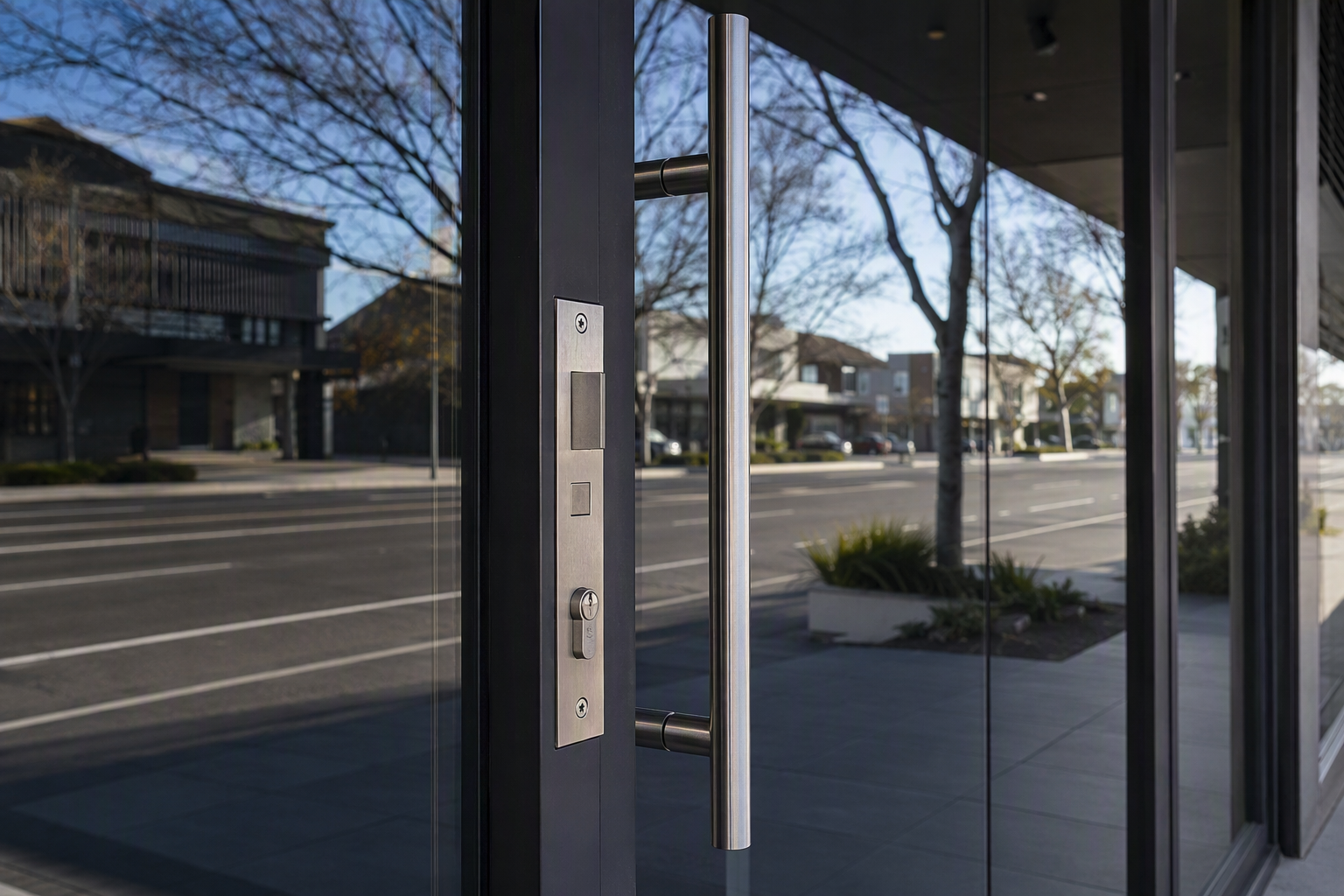
For any business owner in Melbourne, ensuring the security of your premises is paramount. Your commercial locks are the first line of defence against theft, vandalism, and unauthorised access, making consistent shopfront door lock maintenance an often-overlooked but critical task. Just like any other vital piece of business equipment, your locks require regular attention to function reliably and effectively. Neglecting them can lead to unexpected lock failures, compromised security, and significant operational disruptions.
This guide provides practical commercial lock care tips designed specifically for Melbourne businesses, whether you run a bustling shopfront on Kingsway, manage an office in Mulgrave, or operate a business park tenancy. We’ll delve into why proper lock maintenance is so crucial, what warning signs to look out for, simple steps you can take yourself, and when it’s time to call in a professional locksmith. Investing a little time in your locks now can save you considerable stress and expense in the long run, ensuring your business stays secure and runs smoothly.
The Importance of Regular Lock Maintenance for Businesses
In the fast-paced commercial environment of Melbourne's eastern suburbs, the security of your business assets, data, and staff relies heavily on the integrity of your locking systems. Regular lock maintenance is not merely about preventing a sticky door; it's a strategic investment in the longevity, security, and operational efficiency of your commercial enterprise. Without it, you expose your business to a range of avoidable risks.
Protecting Your Assets and Staff
Robust, well-maintained locks are the cornerstone of any effective business security strategy. They deter opportunistic criminals and protect your valuable inventory, equipment, and sensitive information. More importantly, secure locks provide a safe environment for your employees and customers, fostering trust and peace of mind. A failing lock, on the other hand, creates a vulnerable entry point, potentially leading to significant financial losses and reputational damage that can be difficult to recover from.
Maintaining Operational Continuity
Imagine opening your shopfront only to find a lock has completely jammed, preventing access. Or, worse, a faulty lock leads to a break-in, forcing you to close for investigations and repairs. These scenarios, though disruptive, are often preventable with proactive commercial lock security Melbourne. Regular maintenance minimises the risk of sudden lock failures, ensuring your business operations can continue without interruption. Unplanned downtime due to security breaches or non-functional entryways can result in lost revenue, missed appointments, and frustrated customers, all of which chip away at your bottom line and brand image.
Avoiding Costly Emergency Repairs
Preventative maintenance is almost always more cost-effective than emergency repairs or post-incident security overhauls. Catching minor issues early, such as a loose screw or a need for lubrication, can avert a complete lock breakdown that might necessitate an expensive lock replacement. Furthermore, after a security incident, you might face not only repair costs but also increased insurance premiums, data recovery expenses, and the intangible cost of a damaged business reputation. Simple, routine care of your office door locks and shopfront mechanisms helps you budget for security effectively, avoiding unforeseen financial strain.
Signs Your Commercial Locks Need Attention
Your business locks endure daily wear and tear, often operating under conditions far more demanding than residential locks. They’re constantly exposed to environmental factors, heavy usage, and sometimes, even misuse. Being attuned to the subtle (and not-so-subtle) cues that your commercial locks are sending can save you from a major security headache down the line. Ignoring these warning signs is akin to ignoring a flickering engine light in a commercial vehicle – it's an accident waiting to happen.
Sticking or Jamming Mechanisms
One of the most common indicators that your lock needs attention is a feeling of resistance when you try to turn the key or operate the handle. If your lock mechanism feels "sticky," grinds, or struggles to engage fully, it's a clear sign of internal friction, misalignment, or debris build-up. This can affect deadbolts, door handles, and even panic bars. Don't force a stiff lock, as this can damage the key or the internal components further, leading to a complete breakdown. If you notice your front door lock sticking in Glen Waverley, addressing it promptly can prevent it from becoming a more severe issue.
Visible Wear and Tear
Conduct a visual inspection of your locks regularly. Look for any visible signs of damage, such as corrosion, rust, bent components, or excessive scratches. On the exterior, check for signs of tampering, like pry marks around the lock or doorframe. For interior locks, check if the finish is flaking or if any parts appear loose or warped. Even seemingly minor cosmetic damage can indicate underlying structural issues that compromise the lock's integrity and ability to withstand forced entry.
Difficulty Inserting or Turning Keys
If you find yourself wiggling the key, applying unusual pressure, or struggling to insert it into the keyway, the lock cylinder might be worn, misaligned, or obstructed. Similarly, if the key turns only partially or feels rough during rotation, the pins inside the cylinder may be sticking or worn. These issues not only make daily operation frustrating but also weaken the lock's overall security, potentially making it easier for a key to break off inside the lock.
Loose Hardware
Loose screws on the escutcheon plate, strike plate, or the lock body itself are common problems that often go unnoticed. Over time, constant opening and closing of doors, especially heavy commercial doors, can cause screws to loosen. This can lead to misalignment between the latch and the strike plate, making it harder to close and secure the door. Loose hardware also compromises the structural integrity of the lock, making it easier to compromise. A simple tightening with a screwdriver can often resolve this, but persistent loosening might indicate a larger issue with the door or frame.
Simple Maintenance Steps for Shopfront Locks
Proactive maintenance doesn't always require a professional locksmith. Many routine tasks can be performed by business owners or staff, extending the life of your locks and ensuring they remain reliable. Incorporating these simple steps into your regular property maintenance schedule can significantly improve your business lock care tips strategy and prevent unexpected security lapses.
Regular Cleaning
Dust, dirt, grime, and environmental pollutants can accumulate in and around your locks, especially for shopfronts exposed to the elements. Use a soft cloth or a stiff brush to clean the exterior of your locks and door handles. For the keyway, a quick burst of compressed air can dislodge dust and debris. Avoid using harsh chemical cleaners, as these can strip away protective coatings or damage internal components. A clean lock is less likely to stick or malfunction due to internal blockages.
Appropriate Lubrication
Proper lubrication is crucial for smooth lock operation, but it's vital to use the right product. Avoid oil-based lubricants or WD-40, as these can attract more dust and grime, eventually leading to a gummy build-up that exacerbates the problem. Instead, opt for a silicone-based, graphite-based, or PTFE (Teflon) spray lubricant specifically designed for locks. Apply a small amount directly into the keyway and onto the latch mechanism. Insert your key and turn it a few times to distribute the lubricant evenly. This should be done annually, or more frequently for high-traffic doors.
Tightening Loose Screws
Regularly check all visible screws on your door hardware, including those on the lock body, escutcheon plates, and the strike plate on the door frame. Use an appropriate screwdriver to gently tighten any screws that feel loose. Be careful not to overtighten, as this can strip the screws or damage the door or lock components. This simple check can prevent misalignments that make doors difficult to close and secure, ensuring your office door lock repair needs are minimised.
Key Management Practices
While not strictly a lock maintenance tip, proper key management directly impacts lock longevity. Ensure that staff are using keys correctly, avoiding excessive force or using keys for unintended purposes (like prying or opening packages). Distribute robust, high-quality duplicate keys when necessary, and discourage the use of worn or bent keys, which can damage the lock cylinder. If keys are frequently going missing or being used improperly, it might be time to consider a more controlled system, like a restricted key system, which we discuss further below.
When to Consider Lock Replacement or Upgrade
While routine maintenance can significantly extend the lifespan of your commercial locks, there comes a point where repair is no longer sufficient or where enhanced security demands an upgrade. Recognising these moments is crucial for maintaining optimal business protection in Melbourne.
Beyond Simple Repair
Sometimes, the damage to a lock goes beyond what simple cleaning, lubrication, or tightening can fix. If internal components are heavily worn, broken, or corroded, a repair might only offer a temporary fix or might be impossible. For instance, if the lock mechanism repeatedly jams even after lubrication, or if a key breaks off inside the lock frequently, it might be time to consider a complete lock replacement. Attempting to endlessly repair a fundamentally flawed or heavily damaged lock can be a false economy, costing more in repeated call-outs than a new, reliable installation. Consider reading our detailed article on Repair or Replace a Damaged Lock: Making the Right Choice in Eastern Melbourne to help you decide.
Enhancing Security Post-Break-in or Incident
If your business has experienced a break-in attempt, successful burglary, or even a significant security scare, replacing or upgrading your locks is a non-negotiable step. Even if the existing locks weren't visibly damaged, their integrity might be compromised, or their vulnerability exposed. In such situations, it's also an opportune moment to assess your overall security posture and consider stronger, more sophisticated locking mechanisms. This proactive measure reassures staff, customers, and yourself that you're taking decisive action to prevent future incidents.
Upgrading to Advanced Systems
As technology advances, so does the sophistication of commercial lock systems. If your current locks are old, basic, or no longer meet your business's evolving security needs, an upgrade can be a wise investment. This could involve moving from standard mechanical locks to high-security deadbolts, master key systems, or even electronic access control systems. Upgrades can offer enhanced protection against picking and drilling, better key control, and greater flexibility for managing access for multiple employees. For businesses that require tighter control over who can duplicate keys, a Standard vs. Restricted Key Systems: Enhancing Your Security in Victoria article might be very informative. If you're pondering whether to get Rekey vs. Replace Locks: Which is Best for Your Melbourne Property? it's often a question of both security level and budget.
Professional Lock Servicing for Ongoing Business Security
While some lock maintenance can be handled internally, the expertise of a professional locksmith is invaluable for comprehensive commercial lock care. For businesses in Glen Waverley and the surrounding eastern Melbourne suburbs, a local locksmith can offer tailored services that ensure your security systems are robust, compliant, and operating at peak performance.
The Value of Expert Inspections
A qualified locksmith brings a depth of knowledge that goes beyond simple lubrication and tightening. During a professional inspection, they can identify subtle signs of wear, misalignment, or potential vulnerabilities that might be missed by an untrained eye. They can diagnose underlying issues, recommend appropriate repairs, and ensure all components are functioning correctly. This expertise is particularly important for complex commercial locking systems, master key setups, or panic hardware that requires precise adjustment.
Tailored Security Solutions
Every business has unique security requirements. A professional locksmith can assess your specific needs, considering factors such as the type of business, foot traffic, valuable assets, and existing security infrastructure. Based on this assessment, they can recommend and implement bespoke security solutions, from high-security lock installations to advanced access control systems. This tailored approach ensures that your commercial locks provide the most effective protection for your particular business environment.
Prompt and Reliable Service
When a commercial lock fails, time is of the essence. A local locksmith like Glen Waverley Locksmith understands the urgency of business security issues. Whether it's an unexpected lockout, a broken lock needing immediate attention, or a security upgrade following an incident, you can rely on prompt and professional service. Choosing a reputable local locksmith means you're partnering with someone who understands the area and is committed to supporting local businesses. If you're looking to enhance your business's security, don't hesitate to contact us for a professional assessment or service. For more insights on selecting the right expert, you can explore our guide on How to Choose a Reputable Local Locksmith in Glen Waverley.
Frequently Asked Questions About Commercial Lock Maintenance
How often should I maintain my business locks?
For high-traffic commercial doors, we recommend a visual check weekly and a more thorough cleaning and lubrication every 6-12 months. Less frequently used locks might only need attention annually. However, any signs of sticking or difficulty should prompt immediate action.
What kind of lubricant should I use for commercial locks?
Always use a silicone-based, graphite-based, or PTFE (Teflon) spray lubricant specifically designed for locks. Avoid oil-based lubricants like WD-40, which can attract dirt and cause build-up over time.
Can I repair a broken commercial lock myself?
Simple issues like loose screws or minor sticking can often be addressed with DIY maintenance. However, for broken internal components, complex malfunctions, or any signs of compromised security, it's always best to consult a professional locksmith to ensure the repair is done correctly and effectively.
When should I consider upgrading my business locks instead of just repairing them?
Consider upgrading if your locks are frequently failing, are very old, have been compromised in a security incident, or if your business needs enhanced security features like restricted key systems or electronic access control. An upgrade is also wise if your current locks no longer meet Australian security standards for commercial premises.
Does regular maintenance extend the life of my lock warranty?
While regular maintenance doesn't typically extend a manufacturer's warranty, it can certainly help ensure your locks perform within their intended lifespan. Neglecting maintenance, however, could invalidate a warranty if the failure is deemed due to improper care. Always check your specific lock's warranty terms.
Conclusion: Securing Your Business Future with Proactive Lock Care
Effective commercial lock care is a non-negotiable aspect of running a successful business in Melbourne. By implementing regular maintenance, staying vigilant for signs of wear, and knowing when to call in the professionals, you can significantly enhance your business's security posture. From protecting valuable assets to ensuring the safety of your staff and maintaining seamless operations, well-maintained locks are a silent guardian, working tirelessly to secure your livelihood.
Don't wait for a security breach or a debilitating lock failure to act. Proactive shopfront door lock maintenance is a smart investment that provides peace of mind and safeguards your business's future. For expert advice, professional servicing, or to discuss upgrading your commercial lock security in Melbourne's eastern suburbs, don't hesitate to reach out to Glen Waverley Locksmith. We're here to help you secure your business, when you need it. Call us today for a reliable security assessment or service.
Local Locksmith Glen Waverley — business information
Local Locksmith Glen Waverley is a locally operated locksmith business based in Glen Waverley and currently serving customers across Glen Waverley and the surrounding eastern Melbourne suburbs. If anything in this guide applies to your own door, you are welcome to get in touch and describe the situation.
- Business name: Local Locksmith Glen Waverley
- Phone: 0341501808
- Address: 246 Springvale Rd, Glen Waverley VIC 3150
- Email: info@glenwaverleylocksmith.com
- Website: https://www.glenwaverleylocksmith.com/
- Services: emergency locksmith assistance, residential, commercial and automotive locksmith work, lock replacement, lock installation, lock repair, rekeying, lockout assistance and security upgrades.
- Service area: Glen Waverley, Mount Waverley, Wheelers Hill, Burwood East, Wantirna South, Mulgrave, Vermont South and Clayton.
Availability varies from day to day, so the most reliable way to find out whether we can help right now — including for urgent or after-hours situations — is to call 0341501808 and ask.
Services related to this guide
- Commercial locksmith services for business premises
- Lock repair
- Lock installation
- See every locksmith service we offer
Areas we serve
We work across Glen Waverley, Mount Waverley, Wheelers Hill, Burwood East, Wantirna South, Mulgrave, Vermont South, Clayton. You can also browse the full list of suburbs we service from Glen Waverley.
Talk to us about your door
Call Local Locksmith Glen Waverley on 0341501808, or request a quote through our three-step enquiry form. General enquiries and directions are on the contact page, and you can read more about how we work or browse answers to common locksmith questions.